Common problems with office flower subscriptions in Dalston
Posted on 23/10/2026
If you are considering Common problems with office flower subscriptions in Dalston, you are probably trying to solve a simple office problem that is never quite simple: keeping a workspace looking fresh without adding hassle. In theory, a flower subscription sounds easy. Blooms arrive regularly, the reception desk looks alive, and the place feels more welcoming by Monday morning. In practice, though, offices in Dalston can run into a few very real headaches: delivery timing, vase management, flower longevity, budget creep, and awkward mismatches between what was ordered and what the team actually wants.
That is what this guide is for. We will look at how office flower subscriptions usually work, where they go wrong, and how to choose a setup that feels dependable rather than fussy. Truth be told, the difference between a lovely recurring arrangement and a weekly annoyance is often in the details.
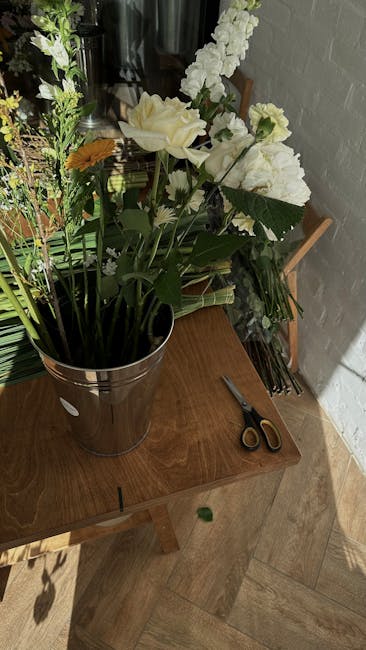
Why Common problems with office flower subscriptions in Dalston Matters
Dalston has its own rhythm. Busy streets, mixed-use buildings, co-working spaces, creative studios, clinics, agencies, hospitality counters, and smaller offices all sit close together. That matters because flower subscriptions are rarely one-size-fits-all. A reception area in a quiet professional office has different needs from a shared studio where people are in and out all day, or a client-facing space where first impressions matter the second somebody steps through the door.
When a subscription works well, it can subtly improve how people feel about the space. Fresh flowers soften harsh lighting, make a meeting room feel less sterile, and help a workplace feel cared for. When it goes wrong, the opposite happens. A drooping arrangement on the desk, water spilling near cables, or a bouquet that arrives after the morning rush can quickly turn a nice idea into another task for already busy staff.
The core issue is not really flowers. It is operational fit. Does the delivery slot work? Is the selection appropriate for the room temperature? Who changes the water? What happens on bank holiday weeks? Small things, but they pile up. And in an office, small things have a habit of becoming the whole story.
Expert summary: office flower subscriptions are best treated like a service workflow, not just a pretty purchase. If the scheduling, care routine, and style choice are aligned with the office, the arrangement feels effortless. If not, it becomes one more interruption in the week.
How Common problems with office flower subscriptions in Dalston Works
Most office flower subscriptions follow a fairly simple model. You choose a style, frequency, and spend level, then the florist delivers arrangements on a recurring basis. Some subscriptions are highly flexible, others are more fixed. Some are curated by colour or occasion, while others let the florist choose seasonal stems.
That sounds straightforward, but the little mechanics matter.
In a typical office setting, the subscription process usually involves:
- Choosing the delivery frequency, such as weekly, fortnightly, or monthly.
- Selecting a size or budget band that matches the space.
- Deciding on colours, vase style, and overall tone.
- Setting a delivery address and preferred slot.
- Agreeing who receives the flowers and where they should be left.
- Managing care once the flowers arrive, including water, trimming, and disposal.
That final step is where a lot of the trouble begins. Flowers are living products, so they respond to heat, drafts, sunlight, and handling. A bouquet that looked perfect in the shop can shorten in life if it sits near a radiator or in a direct-flow air-conditioned room. Also, offices are busy. Someone forgets to top up the water, someone else moves the vase for a meeting, and before you know it the arrangement looks tired by Thursday afternoon. Bit frustrating, really.
If you are comparing recurring floral services, you may already be looking at wider choices too, such as a local florist in Dalston E8 or a broader flower delivery service in Dalston. For some offices, a subscription makes sense; for others, occasional deliveries are the better fit.
Key Benefits and Practical Advantages
It would be unfair to talk only about the problems. Office flower subscriptions are popular for a reason. When they are well set up, they remove decision fatigue and create a polished look without constant reordering.
- Consistency: the office does not go from beautifully styled one week to bare and forgotten the next.
- Time saving: fewer one-off purchase decisions, fewer last-minute scrambles before client visits.
- Better presentation: a recurring floral presence can support brand perception in reception areas and meeting rooms.
- Seasonal variety: good subscriptions bring in new textures and colours across the year, so the space does not feel static.
- Predictable planning: scheduled deliveries can be easier to budget for than random ad hoc orders.
For many offices in Dalston, the biggest advantage is not glamour. It is reliability. A recurring arrangement can quietly make a workplace feel calmer, more intentional, and better looked after. That matters when clients drop in unexpectedly or when the team just needs a little lift on a grey London morning.
You may also notice a morale effect. It is subtle, but not imaginary. A fresh bouquet in the kitchen or reception area gives people something pleasant to notice on arrival. It sounds small because it is small. But office life is built from small things.
Who This Is For and When It Makes Sense
Office flower subscriptions are not only for big corporate lobbies. They can make sense for a surprisingly wide range of workplaces, but the best fit depends on how the space is used.
This is usually a good fit if you are:
- managing a reception area that needs a polished look every week
- running a client-facing office where presentation matters
- furnishing a co-working space with shared common areas
- trying to create a warmer atmosphere in a small studio
- supporting staff wellbeing in a workplace with limited natural light
- looking for a gift-like touch that feels more thoughtful than decorative
It may be less suitable if:
- the office is empty for much of the week
- there is no reliable person to receive deliveries
- the space gets very warm, very cold, or has poor ventilation
- the team wants low-maintenance decor only
- budgets are tight and unpredictable
To be fair, some offices try a subscription for six months and then realise they only needed flowers for certain times of year, or for particular events. That is not a failure. It is useful information. A short test run can tell you more than a polished sales page ever will.
Step-by-Step Guidance
If you want to avoid the common frustrations, treat the decision as a process rather than a quick purchase. Here is a practical way to set things up properly.
1. Audit the space first
Look at where the flowers will actually sit. Is it a reception counter, a meeting table, a break area, or a private office? Check for sunlight, heating vents, draughts, and air conditioning. A bouquet that looks lovely under shop lights can fade fast in the wrong spot.
2. Decide what the flowers are meant to do
Are they there for first impressions, staff wellbeing, photo-ready presentation, or all three? The answer shapes size, colour, and flower choice. A playful mixed bunch and a formal white arrangement send very different messages.
3. Choose a frequency that matches reality
Weekly delivery sounds luxurious, but not every office needs it. Some spaces do fine with fortnightly changes, especially if the arrangements are large or the room is cool. Others need weekly refreshes because the space is busy or warm. The point is to match the interval to the lifespan of the stems, not to a vague idea of what sounds premium.
4. Confirm who will handle receiving and care
Someone has to accept the delivery, unwrap the flowers, top up the water, and remove tired stems. If no one owns this task, the arrangement declines quickly. In our experience, this is the step people most often assume "will sort itself out." It usually doesn't.
5. Ask about flexibility
Can you pause during holidays? Swap colours? Change the size for a client event? Offices change from month to month, and subscriptions should not feel rigid. A good florist should allow sensible adjustments without making it a drama.
6. Test the logistics before committing long-term
Try the service for a few cycles and notice what actually happens. Did the flowers arrive when expected? Did the vase fit the space? Did the team enjoy the colours or ignore them after day two? Real use reveals the truth faster than any brochure.
7. Review and refine
After a month or two, check whether the subscription is still doing its job. If the flowers are too large for the desk, too faint for the room, or too frequent for the budget, change it early rather than silently tolerating the mismatch.
Expert Tips for Better Results
A few small choices make a big difference. They are not glamorous, but they save a lot of irritation later.
- Pick hardy stems for busy offices. Flowers such as alstroemeria, carnations, chrysanthemums, lilies, and roses often cope better with office conditions than very delicate varieties. That is not a hard rule, just a practical observation.
- Match the arrangement to the room temperature. Warm rooms shorten vase life. Cooler rooms usually stretch it.
- Keep the design simple in high-traffic areas. Tall, sprawling arrangements can be knocked over by briefcase, laptop bag, or elbow. It happens. More than you would think.
- Use one person as the point of contact. Not because others are excluded, but because the florist needs a reliable decision-maker.
- Choose colours that work with the interior. Office flowers should complement the space, not argue with it. Strong reds can feel bold; whites and greens feel calmer; mixed tones feel more relaxed.
- Ask for seasonal substitutions if you want better value. Seasonal stems are often easier to source and may last well.
A small sensory cue can help here: when flowers are right for the space, you notice them in a good way. There is a soft lift when you walk in, not a loud visual shout. If they are wrong, they shout. Or droop. Both are memorable, just not in the way you want.
If your office also sends flowers for special occasions, you can align those with broader gifting choices such as send flowers in Dalston, or even use targeted arrangements from the shop's range such as flowers for any occasion when you need flexibility.
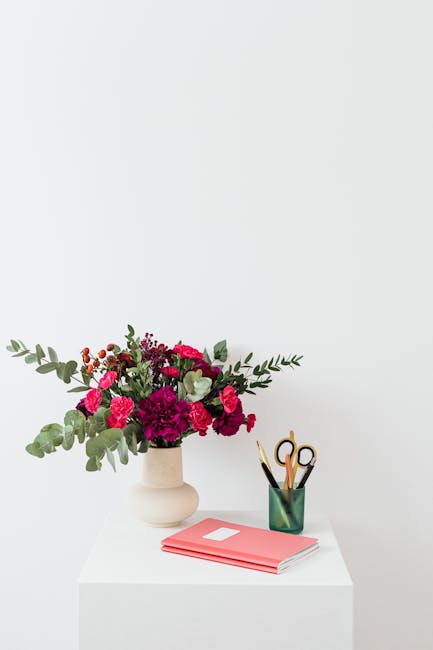
Common Mistakes to Avoid
Most subscription problems are preventable. Here are the ones we see most often.
Choosing for appearance only
It is easy to fall for the prettiest bouquet photo. But office flowers need to survive work conditions, not just look good on a screen. Always think about lifespan, not just style.
Ignoring delivery timing
If flowers arrive when the office is closed, the package may sit in a lobby or with building reception for hours. That can be a real issue in warm weather.
Underestimating maintenance
Even low-maintenance flowers need water changes and stem trimming. Subscriptions reduce effort, but they do not eliminate it.
Over-ordering for the space
A small desk arrangement is one thing. A giant bouquet in a narrow corridor is another. Scale matters, and the wrong size can get in the way of daily work.
Not planning for absences
If the person responsible is on holiday, what happens? A subscription should have a backup plan. Otherwise the arrangement tends to decay right when no one has time to deal with it.
Forgetting about disposal
At the end of the week, old stems, broken leaves, and used wrapping need somewhere to go. Small detail, big difference. Office flowers are lovely until they become someone's bin issue.
One more thing: do not assume that a higher price automatically fixes bad fit. An expensive arrangement can still wilt quickly if the room is wrong or the delivery is badly timed.
Tools, Resources and Recommendations
You do not need specialist software to run an office flower subscription well, but a few simple tools and habits help keep everything on track.
- A shared calendar: useful for tracking delivery dates, holidays, and pause periods.
- Office notes or handover messages: ideal when reception staff, facilities teams, or office managers rotate.
- Basic flower care guidance: a simple reminder about fresh water, stem trimming, and keeping arrangements away from radiators.
- A vase inventory: check whether the office already has suitable containers or needs them supplied.
- Budget tracker: helpful if flowers are part of a wider hospitality or workplace styling budget.
For practical buying decisions, it can also help to browse a florist's wider range. If you want the most straightforward option, look at the shop's best flower delivery in Dalston selection. If cost matters more, compare with cheap flowers in Dalston. And if your office wants a premium look for a client-facing environment, a more polished range such as luxury flowers may be the better fit.
If you are working on a slightly larger programme of regular floral supply, the corporate accounts page is worth reviewing. It can be especially relevant for offices that want repeat ordering, consistency, and clearer admin.
Law, Compliance, Standards, or Best Practice
Office flower subscriptions are not usually a heavily regulated service in the way food, medicine, or construction work might be. Still, there are some sensible standards and responsibilities to keep in mind.
Delivery and access: in office buildings, arrangements should be delivered in a way that does not block exits, corridors, or shared access points. Building rules may also affect where drivers can wait or leave goods, so it helps to confirm this in advance.
Health and safety: water spills, loose wrapping, thorns, pollen, and fragile glass vases can all create minor hazards. That sounds obvious, but it is exactly the sort of obvious thing that gets missed in busy spaces. Keep arrangements stable and placed away from walkways where possible.
Allergies and sensitivities: if staff or visitors may be sensitive to scent or pollen, choose low-fragrance or less pollen-heavy options. In shared offices, that is not merely considerate; it is good practice.
Data and admin: if you are setting up recurring deliveries, any personal or business details shared with the florist should be handled carefully and in line with normal privacy expectations. Reputable businesses should have clear terms and policies.
Service terms: always check what happens if delivery is missed, if flowers arrive damaged, or if a substitution is needed. A good florist should explain their returns, refunds, and guarantees plainly. If a policy is vague, ask questions before committing.
For general service clarity, it is also worth reading the shop's guarantees, returns and refund policy, and terms and conditions. If you are responsible for ordering on behalf of a business, that sort of admin is not exciting, granted, but it saves headaches later.
Options, Methods, or Comparison Table
Not every office needs the same subscription style. The right choice depends on how visible the flowers are, how much care the team can realistically provide, and how often the office changes.
| Option | Best for | Pros | Possible downside |
|---|---|---|---|
| Weekly subscription | Reception areas, busy client-facing offices | Always fresh, consistent appearance | Higher cost and more care required |
| Fortnightly subscription | Medium-traffic offices, smaller teams | Balanced freshness and value | May not suit hot or high-traffic rooms |
| Monthly subscription | Low-traffic offices, decorative corners | Lower admin, easier budget control | Flowers may feel less consistently "alive" |
| Seasonal or event-based orders | Offices that only need flowers for meetings or launches | Flexible and often more efficient | Not ideal if the space needs always-on styling |
There is no universally best answer. A smaller office might love a monthly premium bouquet. A reception desk with constant footfall might need weekly replacement. The trick is matching the method to the space, not the other way around.
If the office wants recurring flowers for different occasions, it may also help to separate routine subscriptions from one-off gift or event purchases like birthday flowers in Dalston or themed options such as florist choice for more flexible ordering.
Case Study or Real-World Example
Here is a realistic example based on a typical Dalston office situation.
A small creative agency moves into a shared building near Dalston Junction. They want the reception area to feel welcoming for clients, but they do not have an office manager on site every day. At first, they choose a weekly subscription with large mixed arrangements because the photos looked fantastic. The first delivery is lovely. Then the issues start.
The flowers arrive during a busy morning and sit waiting for a few minutes. The vase is too tall for the narrow counter. One arrangement blocks the visitor sign-in book. Someone moves it, water spills, and a staff member ends up doing cleanup with a stack of meeting notes in one hand. By week three, the flowers still look fine, but the process feels clumsy.
They adjust the subscription. The florist switches to a slightly smaller design, the delivery slot is moved to a quieter time, and the office agrees on one person to receive and place the arrangement each week. They also choose more resilient stems and keep the bouquet away from direct air flow. The result is much better. Less drama, more benefit.
Nothing magical happened. The office just matched the service to how the space actually works. That is usually the whole game.
Practical Checklist
Use this checklist before committing to an office flower subscription in Dalston.
- Have you measured the space where the flowers will sit?
- Do you know whether the room is hot, cool, sunny, or draughty?
- Is there a named person who will receive deliveries?
- Have you agreed who changes the water and removes tired stems?
- Does the frequency match the lifespan of the flowers you want?
- Have you checked the florist's delivery area and timing options?
- Do you know what happens on bank holidays or during office closures?
- Have you reviewed the service terms, refunds, and guarantees?
- Are you clear about whether scent or pollen could be an issue?
- Does the colour and style fit the office interior and brand tone?
- Is there a realistic budget that includes occasional adjustments?
- Have you tested one delivery before signing up long term?
If you can tick most of those boxes, you are in a much better position than the average first-time buyer. Honestly, that alone prevents a lot of avoidable disappointment.
Conclusion
Office flower subscriptions in Dalston can work beautifully, but they are at their best when treated as a practical service, not just a decorative treat. The most common problems are usually about fit: the wrong size, the wrong timing, poor care, weak communication, or a subscription model that does not reflect how the office actually operates.
Get the logistics right and the flowers become a quiet asset. The space feels more welcoming, meetings start on a better note, and the office gains a bit of personality without creating extra work. Get them wrong and the arrangement becomes just another thing to manage. Not ideal.
The good news is that these problems are all manageable. Start small, ask sensible questions, check delivery terms, and choose stems that can handle real office life. A bit of planning goes a long way here.
Get a free quote today and see how much you can save.
And if you do end up choosing a subscription, aim for the version that makes the team feel quietly pleased every time they walk past it. That is the sweet spot.

Frequently Asked Questions
What are the most common problems with office flower subscriptions in Dalston?
The most common problems are poor delivery timing, flowers not lasting long enough, arrangements that are too large for the space, weak communication about access, and subscriptions that do not fit the office's actual routine.
How often should office flowers be replaced?
That depends on the room temperature, flower type, and office traffic. Weekly works well for busy or warm spaces, while fortnightly can be enough for cooler, lower-traffic areas.
Are office flower subscriptions worth it for small businesses?
They can be, especially if the office sees clients or wants a more polished feel. If the space is rarely occupied or the team has no time for care, occasional one-off orders may be better.
What flowers last longest in an office environment?
Hardier stems such as carnations, chrysanthemums, alstroemeria, and some roses often perform well. The best choice still depends on the room and how the flowers are handled.
How can I stop flowers arriving at the wrong time?
Give clear delivery instructions, confirm building access, and choose a reliable time window. If the office is not staffed early in the day, ask for a slot that suits your reception or facilities team.
Do office flower subscriptions need a vase included?
Not always, but it often helps. A suitable vase avoids last-minute scrambling and makes the arrangement easier to display properly.
What should I do if the flowers arrive damaged?
Take clear photos straight away and contact the florist promptly. Check the service terms so you know how replacements or refunds are handled.
Can flower subscriptions be paused during holidays?
Many can, but it depends on the provider. It is best to ask before signing up, especially if your office closes for summer, Christmas, or frequent remote-working periods.
Are scented flowers a bad idea for offices?
Not always, but strong scents can bother some staff or visitors. In shared offices, milder arrangements are often the safer choice.
How do I choose between weekly and monthly office flower delivery?
Think about how visible the flowers are, how warm the room is, and how much staff time is available for care. Weekly suits high-profile spaces; monthly can work for less active areas.
What is the best way to budget for office flowers?
Set a monthly ceiling, then decide whether you want regular deliveries or occasional premium arrangements. Budgeting is easier when you treat flowers as part of workplace presentation rather than an impulse purchase.
Can office flower subscriptions help with staff wellbeing?
They can contribute to a more pleasant environment, which many people appreciate. The effect is usually subtle, but a fresh, well-chosen arrangement does make a space feel more cared for.


